EN
EN ES
ES FR
FR
- Log in with your credentials to watch the full recordings at the end of each section -
“The Benefits of Keeping It Clean”
On 5 and 6 November 2025, the global EHEDG community came together once again – this time across two days designed to welcome participants from the Americas, Europe and APAC. With hundreds of attendees joining from all over the world, the Online Congress became a vibrant meeting point for ideas, innovation, and collective inspiration.
This year’s theme, “The Benefits of Keeping It Clean” wasn’t just a slogan. It was a shared mindset – one that our speakers brought to life through real-world cases, operational wisdom and stories of transformation inside their factories and organisations.
Setting the Stage: A Warm Welcome
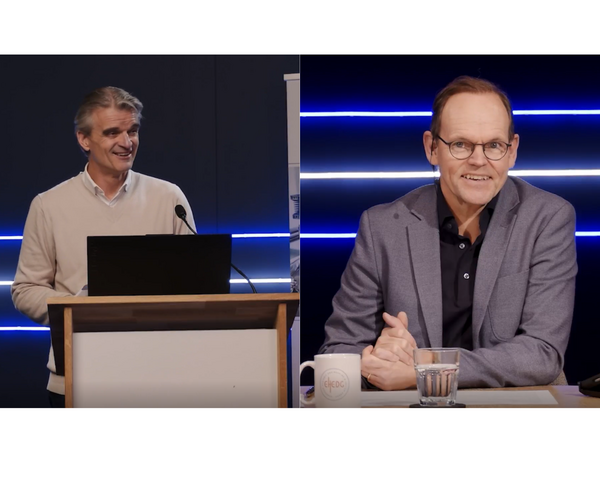
Our journey began with a heartfelt opening by Adwy van den Berg, the Director of EHEDG, who reminded us why hygienic design and food safety matter more today than ever.
His welcome set the tone: open, global, collaborative – a celebration of the shared responsibility behind safe food production.
From there, our host and moderator Patrick Wouters, the Development Director of EHEDG, took the digital stage, guiding participants through the sessions with his characteristic clarity and energy.
Our Speakers & Their Stories
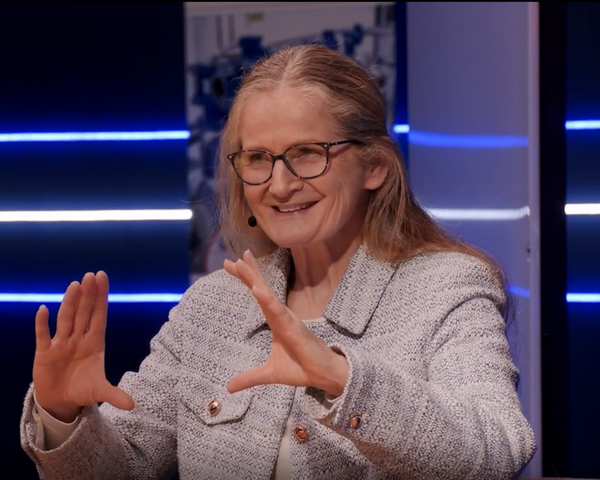
Sophie Daulmerie – Hygienic & Aseptic Design Manager, Danone
“The Benefit of Keeping It Clean in Mineral Water Factories”
Sophie opened the programme by taking us into the highly specialised world of mineral water production – a world where the product receives no microbiological treatment, leaving hygienic design and flawless execution as the only line of protection. She illustrated the unique risks of boreholes reaching hundreds of metres deep, distribution pipes stretching for kilometres, and storage and filling systems that must remain clean at all times. Through her explanation of Danone’s practices – from large-diameter pipes, controlled welds, constant water circulation and rigorous CIP validation, to immaculate manual maintenance procedures and a strong hygiene culture – she showed how “keeping it clean” is a continuous and disciplined mindset that must be upheld across every step of the chain.
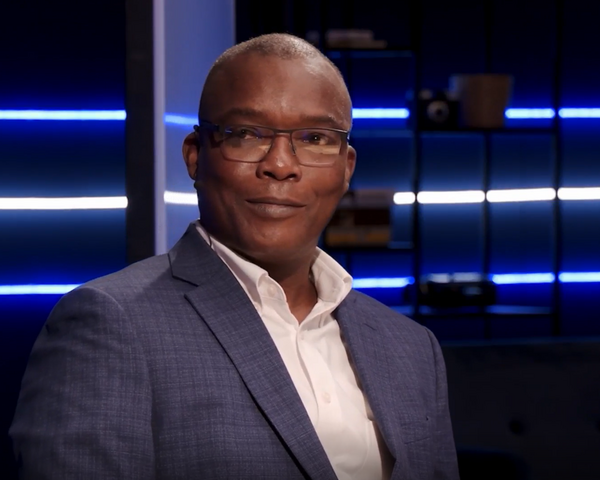
Oladipo Adedokun – Sanitation Program Leader Europe, OSI Group
“Effective Sanitation System Is Required for an Effective Food Safety Programme”
Oladipo brought the audience into the reality of managing sanitation as a complete, system-driven process. He demonstrated how the hazards facing food manufacturers – microbiological, chemical, physical and allergenic – are ever-present, and how real-world contamination events show the impact on public health, business continuity and consumer trust. His presentation framed sanitation as a risk-management engine built on hygienic design, structured SSOPs, master sanitation schedules, training, verification, validation and global standards. By sharing OSI’s approach to creating a worldwide sanitation system that can be replicated across more than 70 sites, he underlined that sanitation is not just cleaning; it is a planned, consistent and proactive process that forms the very foundation of food safety.
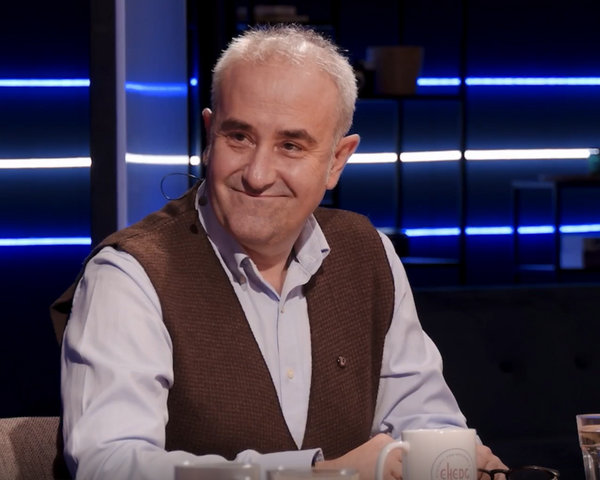
Serkan Tasci – Sr. Director Global Quality System, Bimbo QSR (Grupo Bimbo)
“Extended Operational Run & Key Factors for the Success”
Serkan then shared firsthand insights from the operations of one of the world’s largest bakery company, where efficiency and safety must coexist without compromise. He explained how extending production runs requires a structured approach that begins with identifying risks such as biofilm formation, old dough accumulation, allergens, debris, drain hygiene and environmental contamination. He described how Bimbo builds multidisciplinary core teams, completes detailed baseline sampling, conducts multiple extended-run trials and evaluates performance through environmental monitoring, verification records and hygienic design assessments. His narrative showed that extending runs is not simply about producing longer – it is a data-driven process demanding strong sanitation performance, infrastructure support, clean-as-you-go habits, equipment modifications and a culture that prioritises food safety at every step.
Martin Loehrke – Managing Director, LOEHRKE
“Automation and Digitalization Tools for Ensuring Hygiene: Possibilities and Limitations”
Martin shifted the congress toward the future, exploring how automation and digitalization are reshaping how hygiene is monitored and managed. He highlighted the pressures of fast-changing food trends, new microbial behaviours and reduced development timelines that demand more adaptive cleaning systems. His talk contrasted traditional, fixed-step cleaning processes with newer, sensor-supported approaches that enable condition-based cleaning and real-time measurement. He highlighted the growing importance of air hygiene, the promise of low-dose HOCl systems supported by modern sensors and the emergence of technologies such as biofilm detection and contamination sensors. While exploring the potential of analytics, ERP-linked hygiene monitoring and digital twins, he also emphasised the limitations, technical challenges and implementation hurdles that still exist. Martin painted a balanced picture of a future where digital tools enhance reliability and resource efficiency without replacing the fundamentals of hygienic design and human expertise.
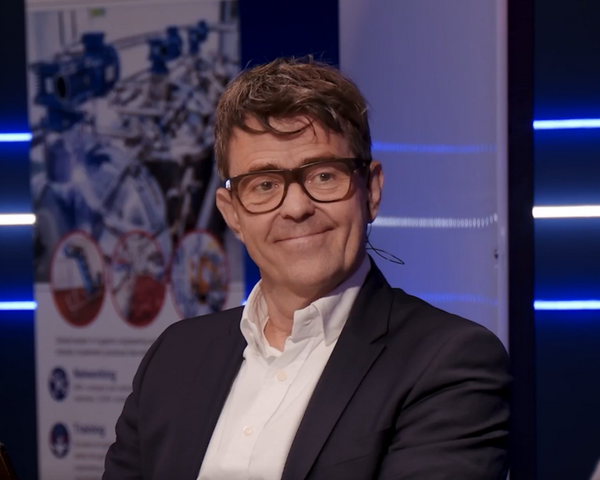
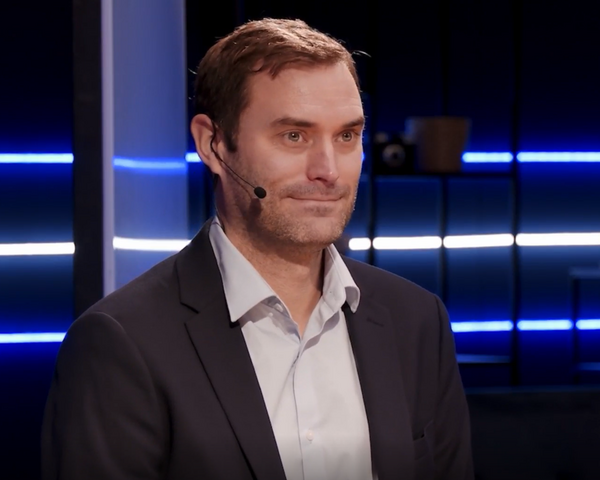
Jonathan Norrish – Regional Sanitation Lead, Kerry
“Building a Sanitation Culture & the Key Programs That Support This”
Jonathan closed the speaker programme with a deep dive into the human dimension of sanitation. He introduced Kerry’s Culture Wheel, illustrating how expectations, engagement, communication, accountability and recognition come together to create a culture that lasts. Using examples such as the Global Sanitation Standard and the Golden Guardians recognition programme, supported by site-level training and practical tools, he showed how sanitation culture is intentionally built rather than left to chance. He also underlined the importance of strong, risk-based systems to sustain this culture, including structured sanitation planning, effective verification and hygienic design, as well as preparedness for unexpected events. Jonathan’s message was clear: while tools and systems matter, it is empowered, supported and accountable people who make sanitation successful every day.
Bringing It All Together: Two Unique Panel Discussions
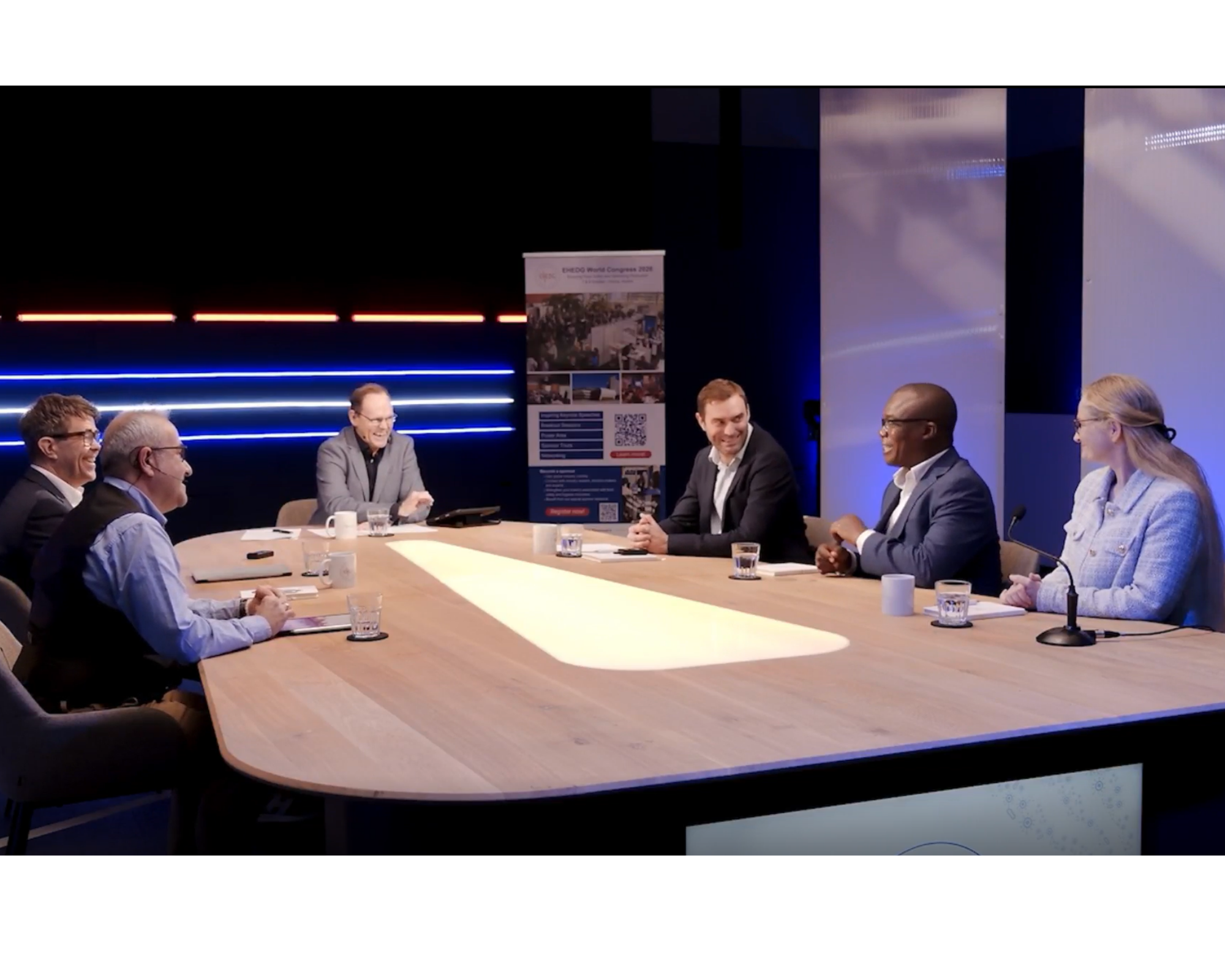
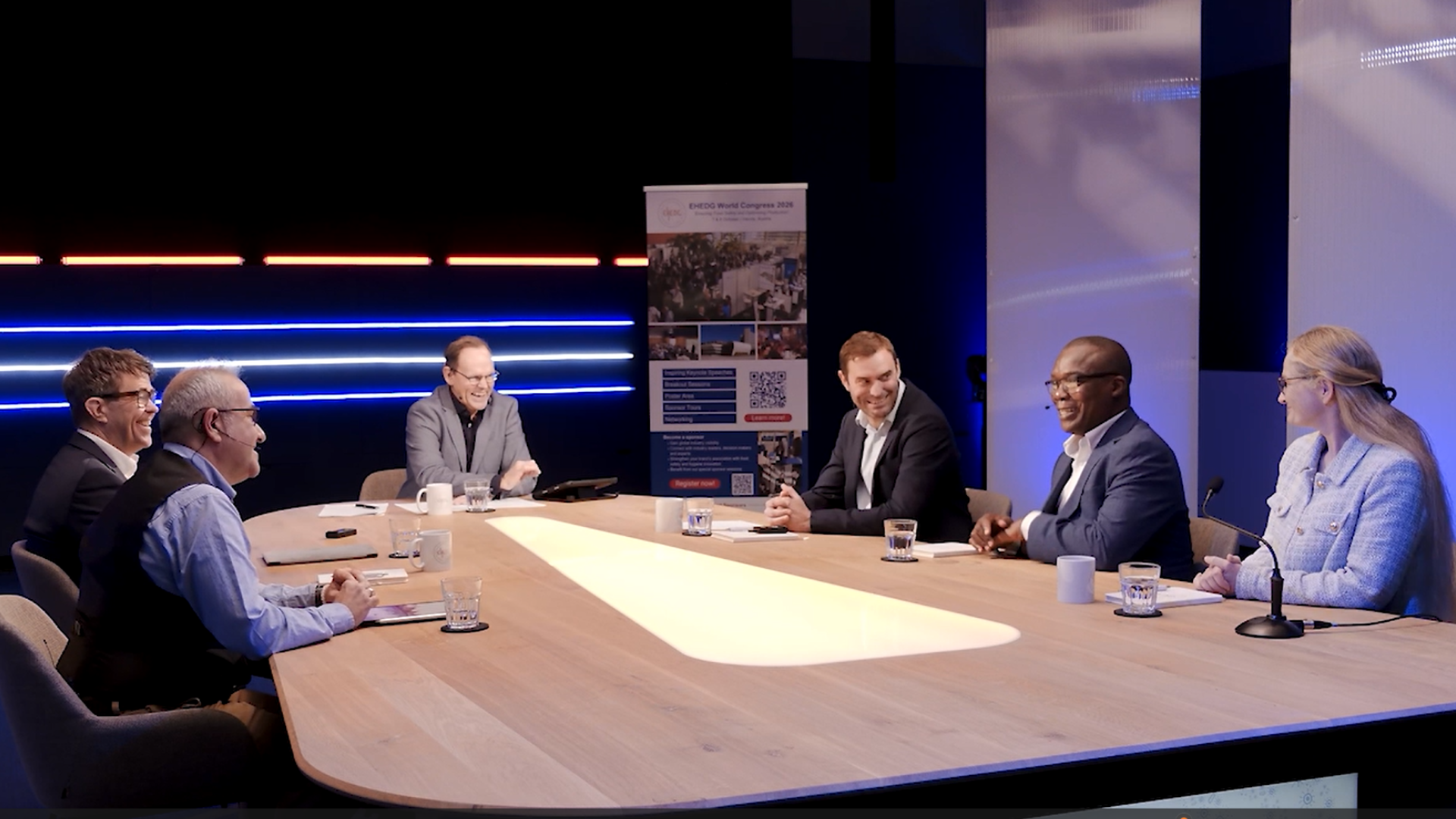
Since both congress days followed the same speaker programme, we brought everyone together in two dedicated panel discussions – each one with its own moment of insight.
A Global Congress for a Global Community
To make the congress accessible for everyone, we hosted it across two different time windows – welcoming participants from every continent. Whether attending from São Paulo, Singapore, Amsterdam or Chicago, our members could join live, interact with speakers and contribute to the discussion.
This year, the experience went even further. Through our interactive congress platform, participants were able to join live chats, explore sponsor booths, access presentations and resources, take part in polls, and even join live video conversations with sponsors and experts. This created a vibrant, connected environment where learning happened not only during the talks, but throughout the entire event.
Celebrating Knowledge – And a Bit of Fun
At the end of each day, we hosted a short quiz, giving participants the chance to test what they had learned throughout the programme. Two winners – one from each day – received a ticket to the EHEDG World Congress 2026.
Closing the Circle
To conclude the congress, Adwy van den Berg returned with a short presentation about EHEDG before thanking all speakers, sponsors and participants. He closed the event by reminding us that keeping it clean is a shared commitment that connects our entire community.
Powering the EHEDG Congress: Our Sponsors